
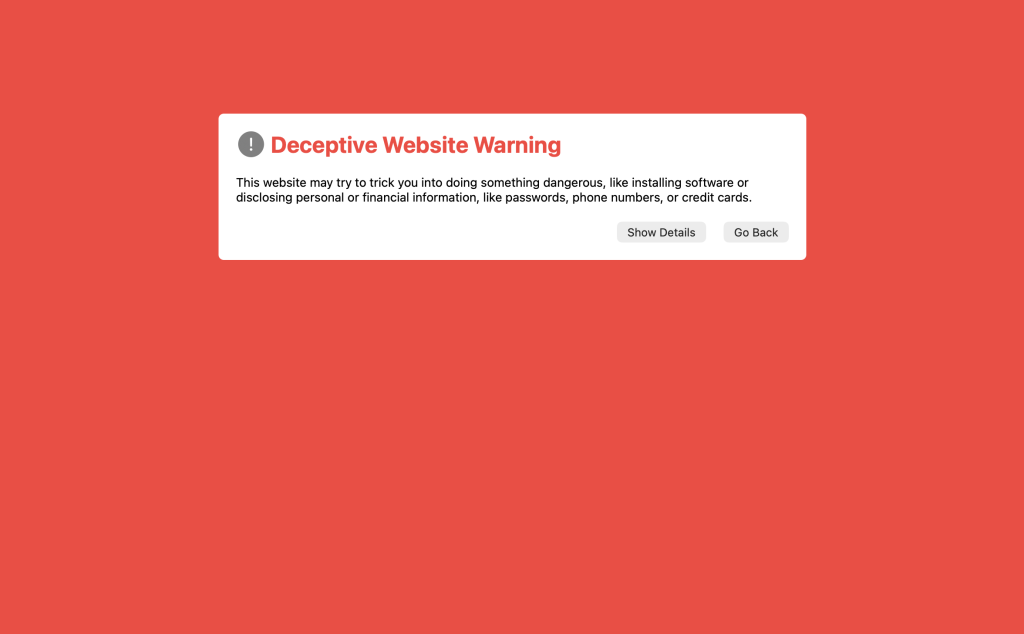
Snapshot
This review takes a close look at NovabitCapital.com from a consumer-protection perspective. We assess typical risk signals seen on high-risk investment and trading sites—such as vague regulation claims, unrealistic return promises, insufficient transparency about ownership, and friction around withdrawals. While only a judge or regulator can determine whether a platform is definitively fraudulent, the patterns described below match common markers associated with dubious online brokers and investment schemes. Readers should approach any platform showing similar signs with heightened caution.
First Impressions and Site Structure
A website’s first impression often hints at the business model behind it. Pages that emphasize speed (“open an account in minutes”), guaranteed or near-certain upside, and aggressive calls to deposit—yet provide minimal substance on strategy, risk, or governance—tend to be promotional rather than informative. Pay close attention to:
Promises vs. specifics: Are performance claims quantified and independently verifiable, or couched in vague language?
Navigation depth: Do legal and disclosure pages exist and contain concrete details, or are they boilerplate?
Team transparency: Are executives named with professional histories you can verify elsewhere?
Sites that prioritize bold claims over documentation, and visuals over verifiable facts, commonly warrant deeper scrutiny.
Licensing, Regulation, and Jurisdiction
One of the most important checks for any trading or investment platform is regulatory status. Legitimate firms typically:
Name the exact legal entity (not just a brand name).
Provide a registered address that maps to an accessible corporate registry.
List license numbers with a recognized regulator (e.g., FCA, CySEC, ASIC, etc.).
Match the trading name, legal entity, and license holder precisely—no mix-and-match.
Problems often arise when:
The site cites regulation in broad terms without publishing a specific license number.
The brand name differs from the licensed entity without a clear connection.
The stated jurisdiction is far from where customers are solicited, with limited avenues for legal recourse.
“Registration certificates” are used as substitutes for supervised licenses (they aren’t the same).
If NovabitCapital.com presents regulation or registration claims, verify them directly with the named regulator’s public register. A lack of verifiable licensing is a significant red flag in any “broker” or “capital” site.
Products, Returns, and Risk Language
Another hallmark of high-risk platforms is the promise of high returns with low or undefined risk. Signs to watch for:
Fixed or “guaranteed” ROI: Markets don’t guarantee outcomes. Promotional tables that project steady profits regardless of volatility are not realistic.
Omitted risk factors: Reputable investment materials discuss drawdowns, liquidity risk, counterparty risk, and market uncertainty.
Performance cherry-picking: Screenshots of gains without audited track records or independent verification can be misleading.
Legitimate managers typically supply strategy papers, risk disclosures, historical drawdowns, and third-party audits. Absent or superficial risk language should be treated as a warning.
Fees, Spreads, and Hidden Charges
Fee transparency is foundational. Risky sites often keep fee structures vague until after a deposit. Watch for:
Ambiguous fee pages: “Industry-leading spreads” without publishing actual numbers.
Unannounced platform charges: Maintenance, “risk insurance,” “account upgrade,” or “tax” fees appearing later in the journey.
Withdrawal-linked fees: Requiring extra payments to “unlock” funds is a common source of complaints across many dubious platforms.
A legitimate broker or manager explains, in writing, all fees—commissions, spreads, overnight financing, performance fees, and custody charges—before onboarding.
Sign-Up Flow and Pressure Tactics
High-pressure sales is a classic risk indicator. Be cautious if you encounter:
Urgent deposit prompts: Countdown timers, “limited spots,” or “bonus expiring in hours.”
Unsolicited calls or messages: Representatives pushing larger deposits after an initial small amount.
Bonus traps: “Welcome bonuses” that later require unrealistic trading volumes or additional payments to withdraw.
Responsible firms avoid coercive tactics. They also encourage clients to complete KYC properly and understand risks before funding.
Funding Methods and Withdrawals
How you fund—and how you withdraw—often determines your protection options:
Crypto-only deposits: While crypto is legitimate in many contexts, exclusive reliance on irreversible transfers can reduce dispute avenues.
Third-party wallets or payment processors: Indirect flows can complicate tracing funds.
Withdrawal friction: Requests for extra “verification fees,” “liquidity requirements,” or “tax” payments after profits appear on the dashboard are widespread complaint themes in high-risk platforms.
A good practice is to test withdrawals early with the minimum amount allowed. Delays, shifting requirements, or added surprise fees are key signals to reassess.
Legal Pages and Client Agreements
Before depositing a single unit of currency, read every legal document. In particular:
Terms & Conditions: Look for governing law, dispute venue, and clauses about bonus/withdrawal restrictions.
Privacy Policy & Data Handling: Verify data controllers and storage locations.
Risk Disclosure: Should cover leverage, slippage, market gaps, and counterparty exposures.
Conflict of Interest Policy: Market-making vs. agency execution should be disclosed.
If the documents are generic, contradictory, or omit governing law and license references, the risk profile increases.
Platform Claims vs. Independent Evidence
Many questionable sites use testimonials, social proof widgets, and success stories that are difficult to verify. Evaluate:
Attribution: Are testimonials attached to identifiable individuals with consistent online histories?
External validation: Does the brand appear in reputable directories, industry conferences, or audited statements?
Media mentions: Screenshots of “as seen in” badges can be fabricated; always corroborate independently.
Absence of credible, third-party validation—especially when paired with big promises—is a red flag.
Customer Service and Communication
Quality of support often mirrors operational integrity. Common patterns on high-risk sites include:
Scripted responses: Agents reply quickly when deposits are discussed, slowly when withdrawals are requested.
Moving goalposts: New verification steps introduced only after profits appear.
Unclear addresses or phone lines: Virtual offices, voicemail loops, or overseas call centers that don’t align with claimed headquarters.
Responsive, consistent, and transparent communication—especially around withdrawals and complaints—is a positive sign. The opposite suggests caution.
Technical Hygiene and Transparency Checks
Even without advanced tools, you can run practical checks:
Consistency of branding: Do company names, email domains, and legal entities match across pages and documents?
Document quality: Poorly formatted certificates or mismatched fonts on “licenses” are warning signs.
Update cadence: Legitimate firms maintain news, disclosures, and status updates over time.
Contact channels: Professional email addresses (not free webmail), real office numbers, and physical addresses that map to active business premises matter.
None of these are dispositive alone, but together they indicate whether a platform behaves like a regulated financial business or a transient website.
Common Complaint Themes Reported About High-Risk Platforms
While specific experiences vary, the following themes recur across many user reports in the high-risk investment space:
Unrealistic ROI dashboards that update in a straight line.
KYC after the fact used as a pretext to block withdrawals rather than to protect customers.
Tax/fee prepayments demanded before releasing funds—often outside normal banking practice.
Account “upgrades” required to withdraw, pushing clients to deposit more.
Threats or intimidation when clients question balances or ask to close accounts.
If any of these appear in your interactions, proceed with extreme caution and document everything.
Balanced Verdict
Based on the patterns described above and the types of claims commonly observed on high-risk investment websites, NovabitCapital.com presents multiple red flags that prospective users should evaluate carefully before engaging. The combination of unclear licensing, aggressive marketing claims, possible withdrawal friction, and limited independent validation places it in a high-risk category from a consumer-protection standpoint. This assessment is not a legal finding, but a practical risk review aimed at helping readers make informed decisions.
Practical Due Diligence Checklist (Save This)
Identify the exact legal entity and verify it in the official corporate register.
Confirm the regulatory license number and match it to the operating brand on the regulator’s website.
Request written fee schedules and confirm withdrawal timelines before depositing.
Begin with a small test deposit and attempt a small test withdrawal early.
Avoid pressure—no countdowns, no bonuses tied to restrictive terms.
Keep screenshots of all communications and account changes.
Never rely on dashboard profits without verifiable statements and the ability to withdraw.
FAQs
Is NovabitCapital.com legit?
Legitimacy depends on verifiable regulation, transparent ownership, working withdrawals, and consistent documentation. The risk signals outlined above suggest caution until those items are independently confirmed.
Does NovabitCapital.com guarantee returns?
No legitimate investment can guarantee profits. Any implication of guaranteed or near-certain returns is a major red flag.
What if I see profits on my dashboard but can’t withdraw?
Profit numbers displayed in an account interface can be misleading if withdrawals are blocked by new fees, upgrades, or changing rules. Always test withdrawals early with the smallest allowable amount.
How can I check regulation claims?
Use the official database of the regulator named on the site and search for the exact legal entity, not just the brand. Names, license numbers, and addresses should match across documents.
What fees should I expect?
Transparent firms publish spreads/commissions, financing, performance or management fees, and custody charges in advance. Surprise “unlock,” “liquidity,” or “tax” fees tied to withdrawals are strong warning signs.
Empowering Victims: Taking a Stand Against Scams with GAINRECOUP.COM
If you have fallen victim to a scam, it is important to understand that you are not alone and you still have options. Scammers exploit the trust of their victims, but organizations like GAINRECOUP.COM work tirelessly to combat these frauds with integrity and expertise.
Conclusion
A careful review of the typical hallmarks associated with high-risk online investment platforms indicates that NovabitCapital.com exhibits multiple red flags that call for rigorous due diligence. Until the platform provides clear, independently verifiable licensing, transparent fee schedules, credible third-party validation, and consistent, successful withdrawals, it should be regarded as high risk. If you evaluate any platform showing similar traits, take your time, verify everything, and make decisions based on evidence—not promises.